


About Us
Our team is working on the regulation of the cell cycle and apoptosis in cancer cells obtained from liver and kidney. The primary goal is to determine the molecular role of the tandem regulatory proteins TCTP and p53, as well as the impact of hypoxia on the processes controlled by these proteins. Studies of the role of these proteins are being conducted on tumor lines and non-transformed liver cells cultured in vitro. A potential ultimate goal of this work is to determine the potential application of silencing TCTP protein expression in anticancer therapy. The team is also interested in early stages of gonadal development, particularly the molecular processes determining the fate, differentiation, and regulation of the cell cycle of somatic cells of early gonads derived from the fetal epithelium of the mesonephros. We also aim to determine the role of hypoxia in gonadal development and the physiology of their somatic cells. The research is being conducted on mouse gonads. Furthermore, we are examining the role of selected genes known to be involved in gonadal development and carcinogenesis using human cells cultured in vitro. We conduct these studies on cancer and non-transformed kidney cell lines with common ontogeny with gonadal primordia.
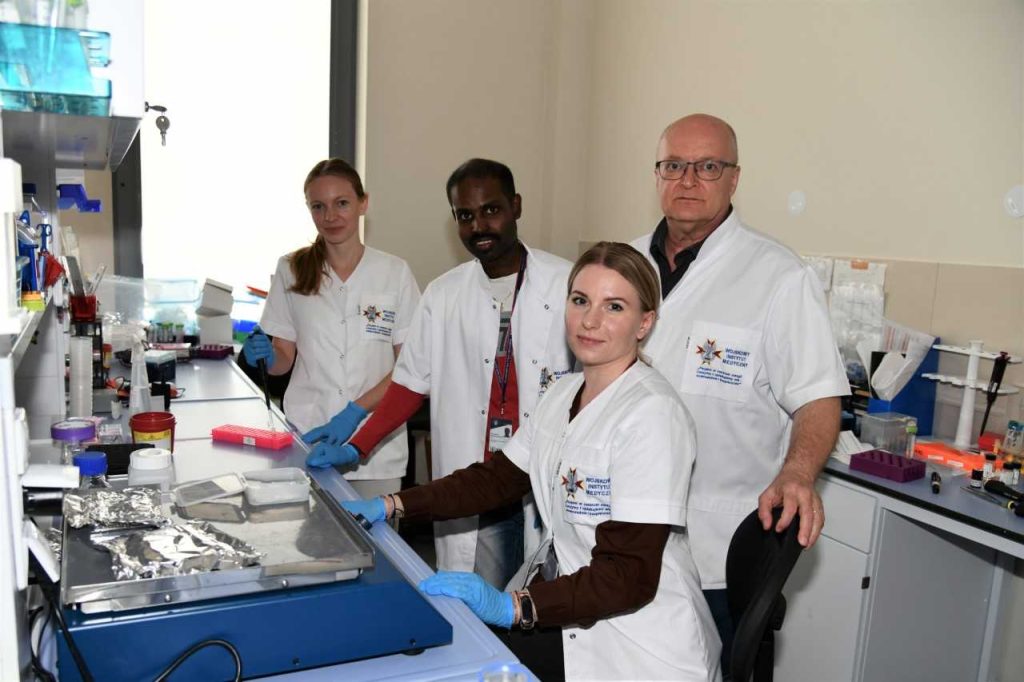
The team consists of:
About
Our team is working on the regulation of the cell cycle and apoptosis in cancer cells obtained from the liver and kidney. The primary goal is to determine the molecular role of the tandem regulatory proteins TCTP and p53, as well as the impact of hypoxia on the processes controlled by these proteins. Studies of the role of these proteins are being conducted on tumor cell lines and non-transformed liver cells cultured in vitro. A potential ultimate goal of this work is to determine the potential application of silencing TCTP protein expression in anticancer therapy. The team is also interested in early stages of gonadal development, particularly the molecular processes determining the fate, differentiation, and cell cycle regulation of early gonadal somatic cells derived from the fetal epithelium of the mesonephros. We also aim to determine the role of hypoxia in gonadal development and somatic cell physiology. The research is being conducted on mouse gonads. Furthermore, we are examining the role of selected genes involved in gonadal development in carcinogenesis using human cells cultured in vitro. We conduct these studies on cancer and non-transformed kidney cell lines determination by a common ontogeny with gonadal primordia.
The group consists of:
PhD Students / Scholarships